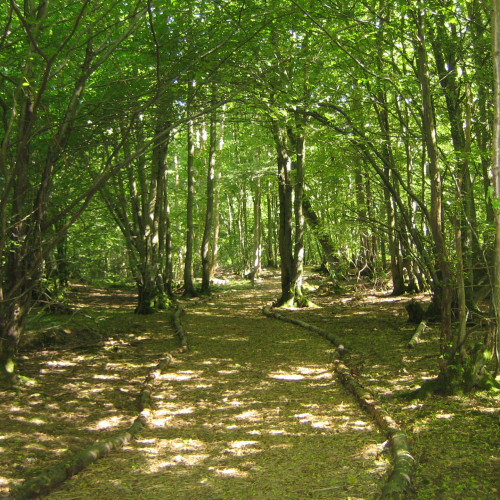
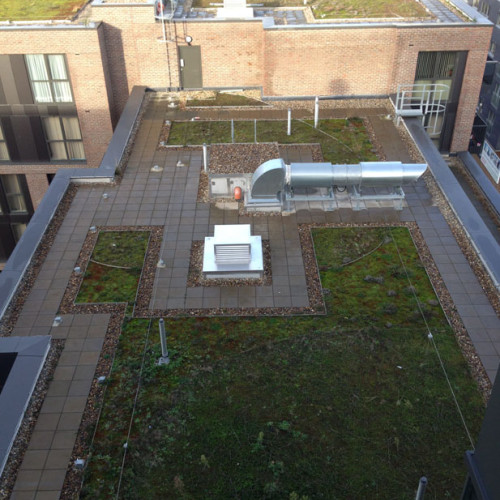
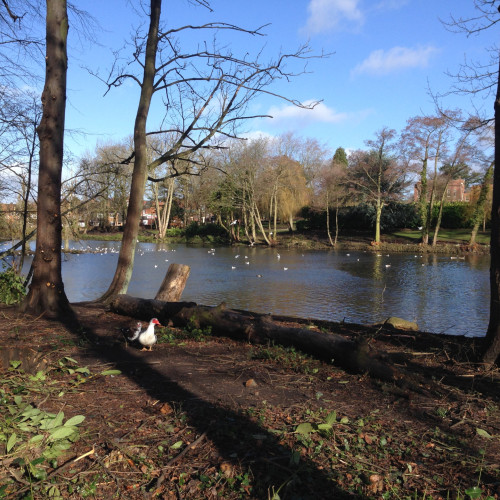
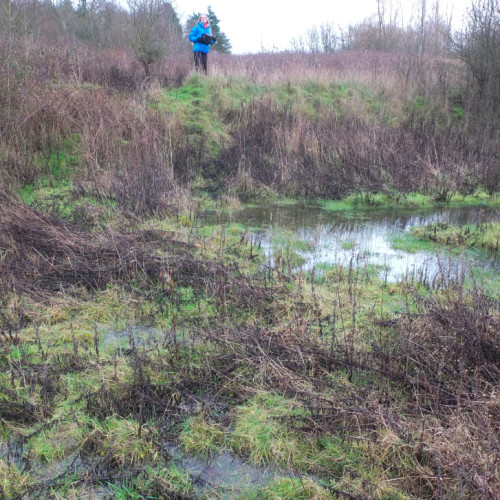
Using the Defra Biodiversity Metric, we assess the biodiversity value of habitats and linear features before and after development to determine net loss or gain. This establishes a robust baseline and identifies how habitats can be retained, enhanced, replaced or created to achieve measurable biodiversity improvements and wider ecosystem benefits.
Using the statutory Defra Biodiversity Metric, we assess the biodiversity value of habitats, hedgerows, and watercourses before and after development to quantify measurable biodiversity losses and gains. This establishes a robust baseline, supports compliance with mandatory Biodiversity Net Gain (BNG) requirements, and identifies opportunities to retain, enhance, restore, replace, or create habitats in line with the mitigation hierarchy.
Our assessments can inform site layout and masterplanning, quantify baseline and post-development units, identify on-site and off-site compensation requirements, and guide practical habitat enhancement and creation proposals. We also advise on habitat condition assessments, strategic significance, spatial and temporal risk multipliers, and the long-term management and monitoring needed to secure biodiversity gains for the required period. The result is a clear, evidence-based approach that helps developments meet planning obligations while delivering genuine ecological and wider environmental benefits.
All Preliminary Ecological Appraisals (PEA) and Biodiversity Net Gain (BNG) assessments are supported by a scaled QGIS habitat baseline plan, providing a clear, accurate visual representation of existing habitats across the site. These plans help to illustrate habitat distribution and site context, supporting ecological reporting, impact assessment, and BNG calculations with mapped baseline data where required.